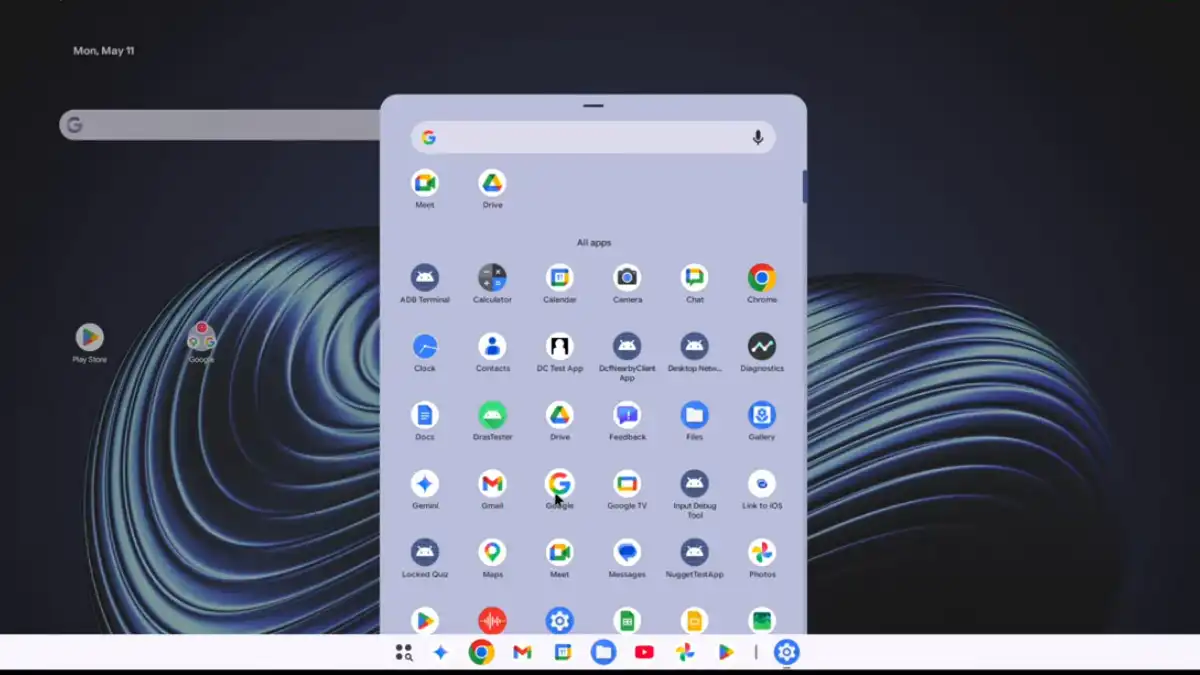
For years, people joked that Google should stop splitting efforts between Android tablets, Chromebooks, ChromeOS, Android apps, and desktop experiments — and simply build one proper operating system for everything.
Now that idea may finally be happening.
Google is reportedly developing Aluminium OS, an upcoming Android-based operating system designed for PCs and laptops. According to recent leaks and insider reports, the project aims to combine the flexibility of Android with desktop-style productivity features traditionally associated with Windows and ChromeOS.
While Google has not officially revealed full details yet, the early leaks suggest this could become Google’s biggest operating system shift in years.
What Exactly Is Aluminium OS?
Aluminium OS is believed to be Google’s upcoming desktop-focused Android platform.
In simple words:
- Android apps
- Desktop windows
- Laptop interface
- AI integration
- Keyboard and mouse support
- Multi-window productivity
…all combined into one operating system.
Several leaked demos reportedly show:
- a desktop-style taskbar
- floating application windows
- app launcher support
- desktop multitasking
- advanced Android desktop mode
- deeper Google AI integration
The project is also rumored to be connected to Google’s long-term plan of reducing the separation between Android and ChromeOS.
Is Aluminium OS Replacing ChromeOS?
Possibly — at least partially.
For years, ChromeOS worked well for:
- schools
- lightweight laptops
- browser-focused work
- low-cost notebooks
But ChromeOS never fully became a mainstream “power desktop” operating system.
Android already has:
- billions of users
- massive app ecosystem
- better ARM optimization
- stronger mobile continuity
- wider developer adoption
Because of that, many analysts believe Google now sees Android as the stronger long-term platform for laptops and PCs.
That does not necessarily mean ChromeOS disappears immediately. Google may gradually merge features and technologies over time.
What Makes Aluminium OS Different?
The biggest difference appears to be its focus on:
- Android desktop computing
- AI-powered workflows
- lightweight laptop experiences
- ARM-based efficiency
This is important because the PC market is changing rapidly.
Modern users increasingly want:
- long battery life
- instant wake
- cloud syncing
- AI assistance
- app continuity between phone and laptop
Traditional heavy operating systems are starting to feel outdated for casual users.
Google may be targeting exactly that shift.
Aluminium OS System Requirements
Google has not officially published minimum hardware requirements yet.
However, based on current leaks, testing footage, and Chromium-related reports, the likely requirements may look something like this:
| Component | Expected Minimum | AI / Gemini Recommended |
|---|---|---|
| CPU | 64-bit Intel/ARM | Snapdragon X Elite / Intel AI chips |
| RAM | 4GB | 8GB–16GB |
| Storage | 64GB | 256GB+ SSD |
| AI Hardware | Optional | NPU strongly recommended |
| Connectivity | Wi-Fi 6 | Wi-Fi 7 |
| Graphics | Integrated GPU | AI-assisted rendering support |
These are not officially confirmed specifications.
Will Aluminium OS Support ARM Processors?
Most likely yes.
In fact, ARM support may become one of its biggest advantages.
Android already runs extremely well on ARM hardware, which means Google could push:
- fanless laptops
- thin AI notebooks
- longer battery life
- lower-cost PCs
This could create direct competition for:
- Windows ARM devices
- budget laptops
- student notebooks
- lightweight business PCs
Can Existing Chromebooks Run Aluminium OS?
Some leaks suggest that Google has already tested desktop-style Android builds on Chromebook hardware.
That means certain existing Chromebooks may eventually receive:
- upgraded Android desktop features
- transition tools
- hybrid ChromeOS experiences
However, support will likely depend on:
- processor generation
- RAM amount
- firmware compatibility
- AI hardware capabilities
Older low-end Chromebooks may struggle with advanced AI features.
Will Aluminium OS Run Windows Apps?
Right now, there is no confirmed evidence that Aluminium OS will run traditional Windows EXE software directly.
At launch, the platform will likely focus primarily on:
- Android applications
- web apps
- Google ecosystem tools
- cloud-based workflows
Over time, Google may introduce additional compatibility layers, but nothing official has been confirmed yet.
Why Aluminium OS Could Matter in India
This is where things become very interesting.
India has a massive market for:
- affordable laptops
- student notebooks
- lightweight business systems
- battery-efficient devices
If Google launches affordable “Googlebook”-style laptops powered by Aluminium OS, the platform could attract:
- students
- small businesses
- first-time laptop users
- Android phone users wanting seamless syncing
Potential advantages could include:
- lower hardware costs
- fast boot times
- simplified maintenance
- native Android familiarity
- better battery efficiency
For users already living inside Google’s ecosystem, the transition may feel very natural.
Is Aluminium OS Officially Released?
No.
As of now, Aluminium OS remains an unreleased and largely unofficially detailed project.
Most current information comes from:
- leaks
- insider reports
- development footage
- Chromium-related findings
- industry speculation
Google may still change:
- the name
- features
- hardware strategy
- release timeline
Final Thoughts
Aluminium OS may become Google’s biggest attempt yet to turn Android into a full desktop operating system.
If the company successfully combines:
- Android apps
- AI-powered workflows
- lightweight laptops
- desktop productivity
- long battery life
…then the operating system could become a serious alternative for casual PC users in the coming years.
The biggest question is not whether Google can build it.
The biggest question is whether Google can stay committed long enough to make it succeed.
Related Article:
- Windows 10 System Minimum Requirements
- Windows 11 System Minimum Requirements
- Can Your PC Handle Ubuntu 24.04 LTS? Check These Requirements First