
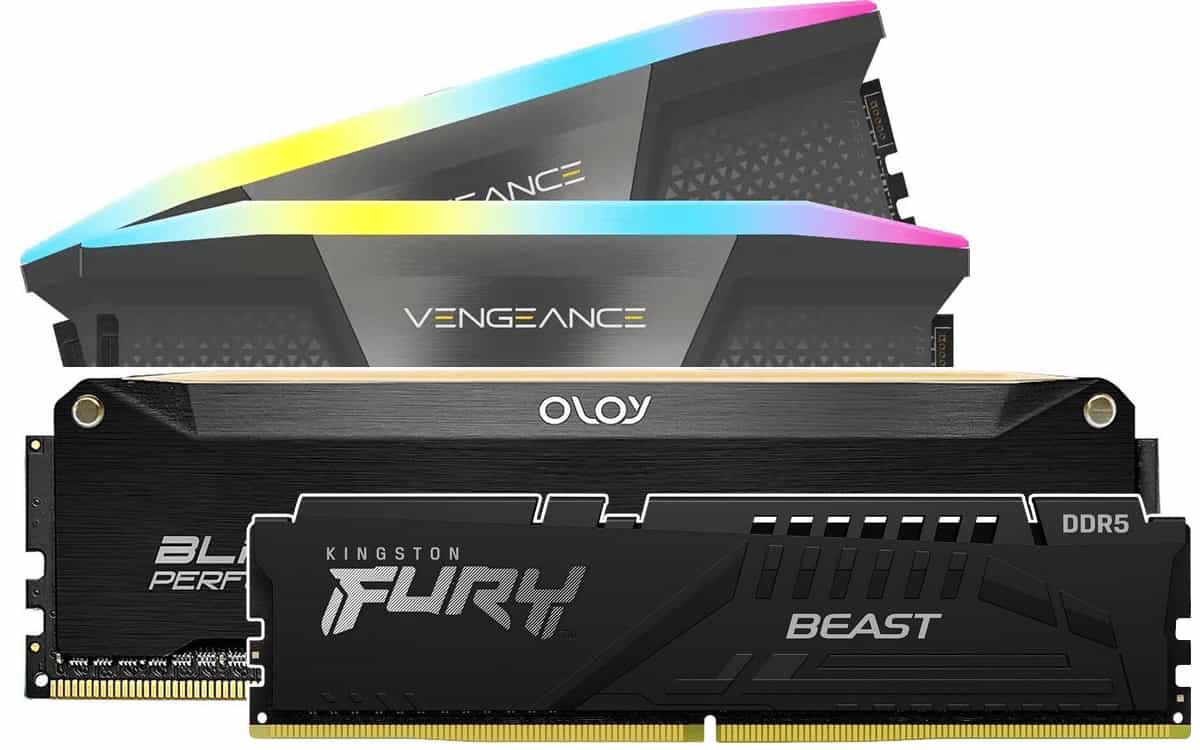
Feeling lost in the world of GBs, MHz, and RAM sticks? Don’t worry — whether you’re reviving an old laptop with Windows 7 or building a multitasking beast for Windows 11, this guide will clear the fog. RAM isn’t just about size anymore; it’s about speed, compatibility, and what you actually do with your machine.
🧠 What is RAM and Why It Matters
RAM (Random Access Memory) is your system’s short-term memory. It temporarily holds the data your computer needs right now — whether it’s that Word doc you’re editing, a browser tab, or your favorite YouTube video.
More RAM = smoother multitasking and faster app switching.
Don’t confuse RAM with storage (HDD/SSD). RAM is temporary — it wipes clean when you shut down. But during use, it’s everything.
💻 Can You Still Use 2GB RAM?
Technically? Yes.
Realistically? Why would you torture yourself?
- Windows 7: Will boot fine. Perfect for nostalgia trips or ultra-light single-task jobs like typing or printing.
- Windows 10/11: It’ll lag. A lot.
- Chrome? Forget it — even one tab will feel like you’re running a marathon in flip-flops.
✅ Use case: Old-school systems, basic utility machines.
❌ Don’t even think about multitasking.
🧾 Is 4GB RAM Enough?
It’s the new bare minimum.
You can:
- Browse the web with 2–3 Chrome tabs
- Attend Zoom calls (if nothing else is open)
- Use MS Word or Excel
But:
- You’ll feel lag if you open heavy apps or many tabs.
- Windows updates and background tasks will slow things down fast.
🧠 Pro Tip: Pair with an SSD — it makes 4GB usable, but still not future-proof.
🚀 8GB RAM – The Modern-Day Sweet Spot
If your budget allows, go straight to 8GB.
Why?
- 10+ Chrome tabs? No problem.
- MS Office + Zoom + Spotify = Smooth.
- Perfect for students, remote workers, casual gamers.
Whether you’re writing code, watching Netflix in 4K, or switching between apps — 8GB won’t let you down.
✅ Best value for money
✅ Runs Windows 10/11 comfortably
✅ Entry-level gaming and multitasking
🔥 16GB RAM – The Multitasking Powerhouse
Now we’re talking pro level.
- Run Android Studio + Photoshop + 15 browser tabs + Discord = Still no sweat.
- For video editors, streamers, full-time developers — this is your jam.
- Zero stutters, zero freezing, zero rage quits.
🎮 For gamers: 16GB is the new gold standard.
🎬 For creators: Essential for 4K editing and Adobe Suite.
💪 32GB RAM – Beast Mode or Overkill?
Depends on what you do:
- Heavy VMs? ✅
- 4K/8K video editing? ✅
- Running Kali Linux in parallel with 50 Chrome tabs? ✅
- Just browsing and Netflix? ❌ Bro, what are you doing?
32GB is future-proofing — for devs, high-end gamers, architects, or anyone juggling massive datasets or simulations.
🧠 64GB RAM – Overkill or Smart Investment?
64GB RAM used to sound ridiculous for a personal computer. Not anymore.
Today, many high-end desktops and gaming laptops are shipping with 64GB RAM pre-installed — and if you’re doing the kind of work that justifies it, you’re in for a treat.
- AI & Machine Learning Devs: Training models, running local LLMs? You’ll use it all.
- 8K Video Editing: Especially if you’re working with RAW footage, timelines, effects.
- Unreal Engine / Blender / 3D Work: Necessary for real-time rendering or large-scale assets.
- Crazy Multitasking: VMs, Docker containers, games, Chrome with 50 tabs — all at once.
💸 Downside? It’s expensive. And honestly, for most users, you’ll never max it out. But if your budget’s flexin’ and your workload demands it — 64GB is a smart long-term bet.
Think of 64GB RAM like a muscle car. You don’t need it to go to the grocery store — but if you do heavy lifting, it roars.
⏩ Understanding MHz in RAM (Speed = Power)
RAM speed is measured in MHz — how fast it can read/write data.
- DDR4 RAM: 2400 – 3200 MHz (standard)
- DDR5 RAM: 4800 MHz and up (next-gen)
Faster MHz = faster load times, quicker response, better performance — especially in games and content creation.
📌 But MHz only helps when your CPU & motherboard support it. Always check compatibility before upgrading.
📊 Final Recommendations (By Use-Case)
| Purpose | Recommended RAM | Notes |
|---|---|---|
| Light browsing & docs | 4GB | SSD required for smooth experience |
| Students & casual users | 8GB | Ideal balance for now |
| Developers & multitaskers | 16GB | Coding + VM + browser = no lag |
| Gaming (modern titles) | 16GB | Enough for most AAA games |
| Video Editing / VFX | 32GB | Needed for high-res timeline work |
| Virtual Machines / Linux | 32GB | Needed for running multiple OS setups |
| AI/ML, 3D Rendering, Power Users | 64GB | Future-proof, excellent for extreme multitasking |
🔁 Best RAM Size
- 🎯 Budget Users: 8GB with SSD
- ⚙️ Power Users: 16GB minimum
- 🛠️ Heavy Tasks & Future-Proofing: 32GB and above
📣 Now It’s Time to Understand Display RAM
You’ve got system RAM covered. But what about the RAM in your graphics card?
Next up: Display RAM vs GPU RAM – What’s the Difference?
(Coming up in Part 2. Don’t miss it.)
🛒 Bonus Tip: Upgrade Strategy for Old Laptops
- Don’t throw that old laptop away.
- Add SSD + upgrade to 8GB RAM = Instant speed boost
- Perfect for online classes, office work, or light gaming